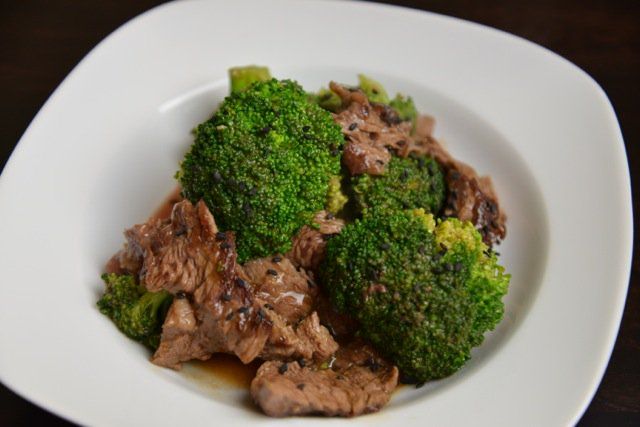
Unlock the Secrets to Copycat Chinese Beef Broccoli: Tender Beef, Glossy Sauce, Authentic Flavor
There's a reason Chinese Beef Broccoli holds a cherished spot on virtually every Chinese takeout menu across America. It's a culinary classic that, when done right, delivers an irresistible combination of succulent, melt-in-your-mouth beef, crisp-tender broccoli florets, all coated in a rich, savory-sweet, and wonderfully glossy sauce. It’s a dish that evokes nostalgia, comfort, and the sheer delight of a perfectly executed stir-fry. Yet, many home cooks find themselves struggling to replicate that authentic takeout magic, often ending up with bland, watery sauces, tough beef, or mushy vegetables.
But what if we told you that achieving that restaurant-quality Chinese Beef Broccoli in your own kitchen is not only possible but surprisingly straightforward? The key lies in understanding a few fundamental principles, passed down from generations of expert wok masters. Forget the sad, limp versions you might have encountered in less-than-stellar eateries; we're here to guide you through crafting a truly spectacular
chinese beef broccoli recipe that will have you saying goodbye to takeout and hello to homemade perfection.
The Foundation: Quality Ingredients and Expert Preparation
A truly exceptional Chinese Beef Broccoli starts with attention to its core components – the beef, the broccoli, the aromatics, and the sauce. Each plays a vital role in building the layered flavors and textures that define this beloved dish.
Selecting and Preparing the Beef for Ultimate Tenderness
The beef is undoubtedly the star of the show, and achieving that signature tenderness is paramount. Chinese restaurants often employ a technique called "velveting," which involves marinating thinly sliced beef in a mixture that includes cornstarch and often a touch of baking soda, in addition to soy sauce and Shaoxing wine.
*
Cut of Beef: While the reference context mentions flap meat, flank steak, hanger steak, or skirt steak are all excellent choices for stir-frying. They are relatively lean yet flavorful and stand up well to high heat. Ensure you slice the beef against the grain into thin, bite-sized strips (about 1/4-inch thick) for maximum tenderness and quick cooking.
*
The Marinade Magic: This is where the flavor infusion and tenderization begin. A basic marinade typically includes:
*
Soy Sauce: For savory depth and umami.
*
Shaoxing Wine: A traditional Chinese cooking wine that adds a complex, aromatic, slightly sweet, and tangy note, crucial for authentic flavor.
*
Cornstarch: This coats the beef, protecting it from the harsh heat of the wok, locking in moisture, and contributing to that silky, tender texture. It also helps to thicken the sauce later.
*
Baking Soda (Optional, but Recommended): A tiny pinch (about 1/4 teaspoon per pound of beef) can work wonders in breaking down muscle fibers, resulting in incredibly tender beef, similar to restaurant quality. Be careful not to use too much, or the beef can taste metallic.
*
Sesame Oil: Aromatic sesame oil adds a nutty fragrance that complements the other flavors.
Let the beef marinate for at least 20-30 minutes, or up to an hour in the refrigerator, to allow the flavors to penetrate and the tenderizing agents to work their magic.
Broccoli: Vibrant Color and Crisp-Tender Texture
No one wants drab, mushy broccoli. The goal is bright green florets with a slight bite, offering a delightful textural contrast to the tender beef.
*
Preparation: Cut your broccoli into uniform, bite-sized florets. This ensures even cooking. The stems can also be peeled and sliced if you like.
*
Cooking Method: While some recipes recommend steaming the broccoli separately, achieving that crisp-tender quality directly in the wok is achievable with high heat. Alternatively, you can briefly blanch the broccoli in boiling water for 1-2 minutes until vibrant green, then immediately plunge into an ice bath to stop the cooking. This helps retain its color and ensures it's perfectly cooked when it hits the wok for its final stir-fry. For more detailed tips on achieving perfectly cooked broccoli, check out
Avoid Mushy Broccoli: Secrets to Authentic Chinese Beef & Broccoli.
Aromatic Powerhouses: Garlic, Ginger, and Scallions
These three ingredients are the aromatic backbone of most Chinese stir-fries. They provide a fresh, pungent, and warming depth that elevates the dish beyond simple savory notes. Always use fresh garlic and ginger, finely minced or grated, and slice scallions for both cooking and garnish.
The Ultimate Secret: Mastering the Heat for Restaurant-Quality Stir-Fry
The single most critical factor distinguishing exceptional Chinese Beef Broccoli from mediocre versions is the heat. As the reference context rightly emphasizes, "The key to really great beef and broccoli is to use the highest possible heat." This isn't just a suggestion; it's a fundamental principle of authentic stir-frying.
Why High Heat Matters
*
The Maillard Reaction (Sear): High heat rapidly sears the beef, creating a flavorful, browned crust known as the Maillard reaction. This caramelization locks in juices and develops complex savory notes that lower heat cannot achieve.
*
Preventing Steaming: When cooking in a pan that isn't hot enough, ingredients release their moisture and essentially steam rather than fry. This leads to grey, limp beef and mushy broccoli. High heat quickly evaporates surface moisture, allowing for true stir-frying.
*
Wok Hei: This elusive term translates to "the breath of the wok" and refers to the complex smoky, charred, and intensely flavorful essence imparted to food cooked rapidly in a well-seasoned wok over extremely high heat. While difficult to fully replicate at home without a commercial burner, maximizing your home stove's heat gets you closer.
*
Crisp-Tender Vegetables: High heat cooks vegetables quickly, allowing them to char slightly on the outside while remaining crisp and vibrant on the inside.
Cooking Vessels and Techniques
*
Wok vs. Skillet: A carbon steel wok is ideal for stir-frying due to its shape, thin material, and ability to distribute heat evenly. However, a large, heavy-bottomed cast iron skillet or a stainless steel pan can also work effectively on a home stove.
*
Maximize Your Heat: On a gas stove, use your largest burner and preheat your wok or skillet until it's smoking hot before adding oil. If cooking on an electric stove, preheat for an extended period to ensure maximum heat retention. For even more powerful heat, some home cooks use an outdoor propane burner or a grill with a wok attachment, as mentioned in the context. For a deep dive into high-heat cooking techniques, explore
Achieve Perfect Takeout Beef Broccoli With This High Heat Method.
*
Cook in Batches: This is absolutely crucial for home cooking. Crowding the pan will drop the temperature too much, leading to steaming. Cook the beef in small batches until seared, remove it, then cook the broccoli, and finally combine everything with the sauce.
The Glossy Embrace: Crafting the Signature Sauce
The rich, glossy sauce is what brings everything together, coating each piece of beef and broccoli in a blanket of savory-sweet deliciousness. The secret to its texture and flavor lies in a balanced blend of ingredients and the magic of a cornstarch slurry.
Key Sauce Ingredients:
*
Oyster Sauce: This is non-negotiable for authentic Chinese Beef Broccoli. It provides a unique umami depth, a hint of sweetness, and a lovely glossy finish.
*
Soy Sauce: Adds fundamental savory and salty notes. Use a good quality light soy sauce.
*
Shaoxing Wine: Reinforces the aromatic complexity introduced in the marinade.
*
Sugar: Balances the savory elements and enhances the overall flavor profile. Brown sugar or regular granulated sugar both work.
*
Cornstarch Slurry: A mixture of cornstarch and cold water is essential for thickening the sauce to that desired glossy consistency. Add it at the end, stirring constantly, until the sauce coats the back of a spoon.
Prepare Ahead:
Mix all your sauce ingredients (except the cornstarch slurry, which should be mixed just before adding) in a bowl before you start cooking. Stir-frying is fast, and you won't have time to measure ingredients once the heat is on.
Tips for Success and Customization
To truly nail your homemade Chinese Beef Broccoli, keep these practical tips in mind:
*
Mise en Place is Your Best Friend: This French culinary term means "everything in its place." Due to the speed of stir-frying, have *all* your ingredients prepped, measured, and within arm's reach before you even turn on the heat.
*
Don't Overcrowd the Wok: As mentioned, cook in small batches to maintain high heat and achieve proper searing.
*
Hot Oil, Not Just a Hot Pan: Add your high smoke point oil (like peanut, canola, or grapeseed oil) to your preheated wok or pan until it shimmers, just before adding ingredients.
*
Taste and Adjust: Before adding the sauce to the wok, taste it! Adjust saltiness, sweetness, or tanginess to your preference.
*
Finish with a Flourish: A drizzle of toasted sesame oil at the very end (after cooking) adds a wonderful aroma. A sprinkle of white pepper is also a traditional touch.
*
Serving Suggestion: This dish is best served immediately over steamed jasmine rice.
Conclusion
Making your own restaurant-quality Chinese Beef Broccoli is an incredibly rewarding experience. By focusing on quality ingredients, understanding the power of a proper marinade, harnessing intense heat, and balancing the flavors of your glossy sauce, you can transform this takeout favorite into a homemade masterpiece. Say goodbye to disappointing, bland versions and embrace the vibrant flavors, tender textures, and rich aromas of an authentic
chinese beef broccoli recipe. Get ready to impress your family and friends – and yourself – with a dish that rivals the best of your local Chinese restaurant.