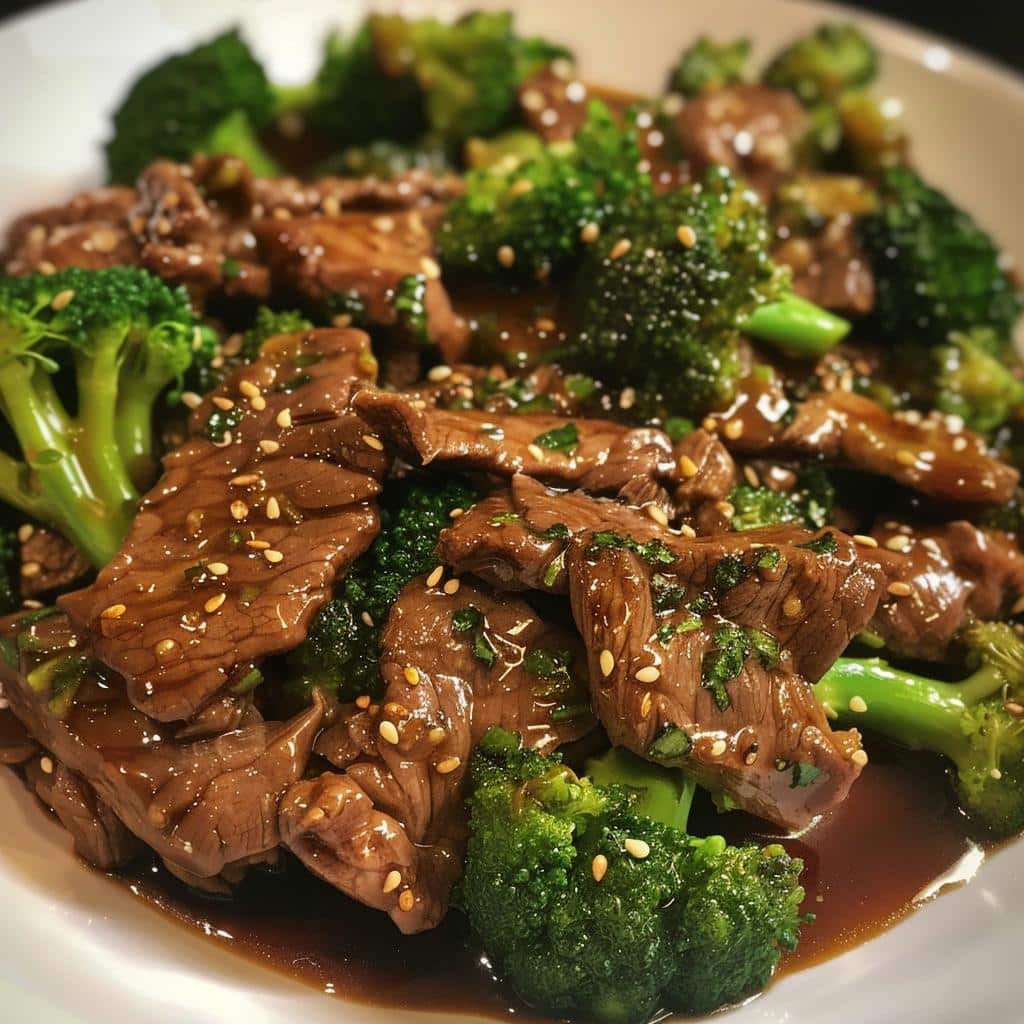
Avoid Mushy Broccoli: Secrets to Authentic Chinese Beef & Broccoli
There's a reason why Chinese Beef & Broccoli holds a special place in the hearts (and stomachs) of so many. It's a culinary icon, as familiar to many as apple pie, a staple on Chinese-American restaurant menus across the country. The ideal version evokes memories of tender, savory beef strips, vibrantly green, crisp-tender broccoli florets, all coated in a glossy, aromatic sauce that perfectly balances savory, sweet, and umami notes. It's an unforgettable harmony of textures and flavors.
However, for every sublime experience, many of us have endured the "beef and broc-atrocity": sad, grey lumps of beef swimming in a watery, bland sauce, accompanied by dreary, mushy broccoli that looks and tastes like it gave up on life. This disappointing reality often leads home cooks to believe that replicating that authentic takeout quality is an impossible feat. But what if we told you that the secret to a truly outstanding chinese beef broccoli recipe isn't mystical restaurant magic, but a few fundamental techniques and a fearless approach to heat?
Forget those mournful, limp vegetables and bland meat. We're here to unveil the secrets behind achieving restaurant-quality Chinese Beef & Broccoli right in your own kitchen, transforming your cooking game from mundane to magnificent.
The Culinary Catastrophe: Why Most Homemade Beef & Broccoli Falls Flat
Before we dive into perfection, let's understand why so many home attempts at this beloved dish go wrong. The typical culprits are often rooted in a misunderstanding of stir-frying principles and a lack of specific techniques that Chinese restaurants employ:
- Insufficient Heat: This is arguably the biggest offender. Stir-frying demands extremely high heat. Without it, ingredients steam rather than sear. Beef releases its juices and becomes tough and grey, while broccoli turns drab and mushy.
- Overcrowding the Pan: Trying to cook too much at once in a home skillet rapidly drops the temperature, leading back to the steaming problem.
- Lack of Marination: Unmarinated beef lacks flavor and tenderness, resulting in dry, chewy bites instead of succulent ones.
- Imbalanced Sauce: A watery, flour-thickened sauce with a predominantly soy flavor fails to capture the complex, glossy finish of an authentic dish.
- Improper Vegetable Preparation: Overcooking broccoli is a cardinal sin. It needs to be cooked quickly to retain its vibrant color and crisp-tender bite.
The good news? Every single one of these common pitfalls is easily avoidable with the right approach and a little culinary courage. Let's explore the core principles that elevate a basic stir-fry into a truly authentic Chinese Beef & Broccoli experience.
Unlocking Flavor: The Pillars of a Perfect Chinese Beef & Broccoli Recipe
Achieving that desired takeout flavor and texture isn't about exotic ingredients, but rather meticulous preparation and powerful cooking techniques. Here are the foundational elements:
The Marination Magic: Tenderizing and Flavor-Infusing the Beef
The journey to tender, juicy beef begins long before it hits the pan. Marinating the beef is non-negotiable for both flavor and texture:
- Selecting the Right Cut: While many cuts can work, thinner-sliced cuts like flap meat (our preferred choice), flank, hanger, or skirt steak are ideal. They have a good balance of flavor and tenderness and cook quickly. Slice them against the grain for maximum tenderness.
- The Core Marinade: A classic Chinese beef marinade typically includes soy sauce for savory depth, Shaoxing wine (Chinese rice wine) for its unique aromatic profile and tenderizing qualities, and often a touch of sugar to balance flavors.
- The Secret to Silky Beef (Velveting): To achieve that characteristic silky, tender texture found in restaurant beef, incorporate a small amount of cornstarch and a little oil into your marinade. The cornstarch forms a protective coating, sealing in moisture and ensuring the beef stays incredibly tender during high-heat cooking. Some recipes also include a tiny pinch of baking soda for extra tenderization, but use sparingly.
Allowing the beef to marinate for at least 20-30 minutes (or even overnight for deeper flavor) is crucial for a succulent outcome.
Aromatics: The Soul of the Stir-Fry
Beyond the beef and broccoli, the "holy trinity" of aromatics - garlic, ginger, and scallions - forms the aromatic heart of any great Chinese stir-fry. These ingredients are more than just background notes; they infuse the entire dish with a robust, fragrant complexity that elevates it far beyond simple umami:
- Garlic: Pungent and sweet when lightly cooked, it adds a foundational savory punch.
- Ginger: Its spicy, citrusy warmth brings a unique zest and cuts through the richness of the beef.
- Scallions (Green Onions): The white parts are typically stir-fried for a mild oniony flavor, while the green tops are often added at the very end for freshness and garnish.
These aromatics are typically added after the beef and broccoli have been seared, briefly cooked to release their fragrant oils before the sauce is introduced.
The Power of Heat: Searing, Not Steaming
This is arguably the most critical secret to authentic Chinese Beef & Broccoli. As with any true wok-cooked stir-fry, the key is incredibly high heat. If you've ever wondered why restaurant stir-fries have that distinct 'wok hei' (the breath of the wok), it's because of extreme temperatures and rapid cooking. Achieve Perfect Takeout Beef Broccoli With This High Heat Method by embracing this principle.
- Why High Heat? It achieves a perfect, caramelized sear on the beef, locking in juices and developing a smoky crispness on the exterior. For the broccoli, high heat ensures it becomes crisp-tender with a vibrant green color, preventing it from turning into a mushy, watery mess.
- Wok vs. Skillet: A wok is ideal due to its shape and ability to distribute heat efficiently. However, a large cast-iron skillet or heavy-bottomed stainless steel pan can work wonders on a high-BTU burner.
- Cook in Batches: This cannot be stressed enough for home kitchens. To maintain high heat, cook the beef in small batches. Sear it quickly, remove it from the pan, then cook the broccoli, and finally the aromatics before combining everything. Overcrowding cools the pan and steams your ingredients.
- Short Cook Times: With high heat, cooking times are incredibly short – often just a minute or two per ingredient. This rapid cooking prevents overcooking and retains the best textures.
Crafting the Iconic Sauce: Beyond Just Oyster Sauce
The glossy, savory-sweet sauce is what brings everything together, coating each piece of beef and broccoli in a delectable sheen. While oyster sauce forms the backbone, a balanced combination of ingredients is key:
- Oyster Sauce: The star player, providing deep umami, a hint of sweetness, and a lovely savory base.
- Soy Sauce: Adds saltiness and further depth. Use light soy sauce for general seasoning.
- Shaoxing Wine: A splash more for continued aromatic complexity in the sauce itself.
- Sugar: Balances the savory elements and enhances the sweetness. Brown sugar or regular granulated sugar work well.
- Cornstarch Slurry: This is crucial for achieving that desired glossy, thick consistency. Whisk cornstarch with cold water before adding it to the hot stir-fry at the very end. This prevents lumps and ensures a smooth, coating sauce.
- Optional Additions: A touch of sesame oil for nutty aroma, or a pinch of white pepper for a subtle kick.
Pre-mixing your sauce ingredients in a bowl before you start cooking is an essential part of mise en place (everything in its place), ensuring a smooth, fast cooking process.
Step-by-Step Mastery: Bringing It All Together for Your Chinese Beef Broccoli Recipe
With the principles in mind, let's look at the flow of a successful stir-fry:
- Mise en Place: This is paramount. Have all your ingredients prepped, marinated, chopped, and measured, including your pre-mixed sauce, before you even turn on the heat. Stir-frying is fast; you won't have time to chop or measure mid-cook.
- Sear the Beef: Heat your wok or pan over very high heat until it's smoking. Add a high smoke point oil (like peanut, grapeseed, or canola). Cook the marinated beef in small batches until beautifully seared and lightly charred, then remove and set aside. Don't overcrowd the pan!
- Cook the Broccoli: Add a bit more oil if needed. Stir-fry the broccoli florets until they are bright green and crisp-tender, with a few charred spots. You can optionally blanch them briefly beforehand for even faster stir-frying and a brighter color. Remove and set aside with the beef.
- Sauté Aromatics: Add the minced garlic, ginger, and the white parts of the scallions to the hot pan. Stir-fry for 30 seconds until fragrant. Be careful not to burn them.
- Combine and Sauce: Return the seared beef and broccoli to the pan. Give your pre-mixed sauce a quick whisk (the cornstarch settles) and pour it into the pan. Stir constantly until the sauce thickens and coats all the ingredients, usually within a minute or two.
- Finishing Touches: Stir in the green parts of the scallions. A drizzle of sesame oil can be added for extra aroma just before serving.
Following this precise order and technique ensures that each component is cooked to perfection, resulting in a cohesive and delicious dish that rivals your favorite takeout. For more insights on perfecting this, check out our guide on Copycat Chinese Beef Broccoli: Tender Beef, Glossy Sauce Secrets.
No longer will you suffer the indignity of mushy broccoli or bland beef. By understanding and applying the fundamental principles of high heat, careful marination, and a balanced sauce, your homemade chinese beef broccoli recipe will not only impress but might just become your new favorite dish to cook. Embrace the heat, master the marinade, and prepare to enjoy an authentic Chinese Beef & Broccoli that leaves the takeout menu gathering dust.
